11 Best Dating Apps With the Least Fake Profiles (2026)
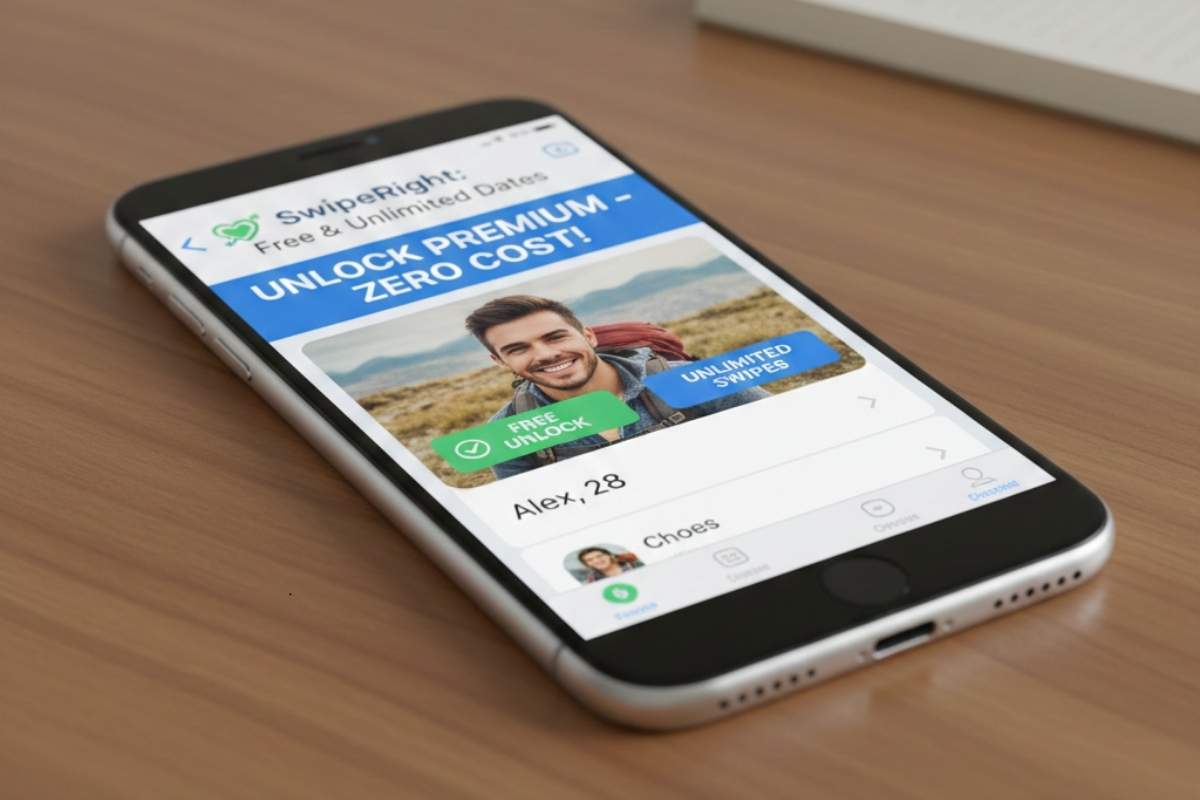
If you have used dating apps for a while, you have probably run into fake profiles.
Not once or twice, but enough times that it starts to get annoying.
The profile looks normal at first. Photos seem fine. Messages start okay. Then something feels off.
Replies don’t really answer what you asked. The account vanishes. Or it slowly turns into a scam.
That experience messes with your head a bit.
You stop trusting what you see. You hesitate before replying. You wonder if the next match is even real or just another waste of time.
No dating app is completely free of fake profiles. That part is unavoidable.
But some apps clearly do more to reduce them. They add verification steps. They review accounts. They make it harder for bots and scammers to survive for long.
This guide focuses on those apps.
It looks at dating apps that put more effort into keeping profiles real.
Things like how users are verified, how reports are handled, and what people consistently say about their experience.
If you are tired of dealing with fake profiles and just want to talk to real people, this list should help narrow things down.
Table of Contents
Why Fake Profiles Are Still a Problem on Dating Apps
Fake profiles are not a new problem, and they are not going away anytime soon.
Dating apps are easy targets. They are public, they move fast, and they rely on trust between strangers.
Some fake profiles are bots. Some are scammers. Some are real people using fake photos or pretending to be someone they are not.
And some accounts exist only to push people toward links, crypto scams, or paid chats somewhere else.
Swipe-based apps make this worse.
When creating a profile takes two minutes, and there is no real friction, fake accounts can be created just as fast. Even when apps remove them, new ones pop up again.
Another issue is scale. Popular dating apps have millions of users. That makes manual review harder.
Most fake profiles are not caught immediately. They are usually removed only after they are reported or flagged by automated systems.
This is why user experience can feel very different from one app to another.
Some apps slow things down. Some require verification. Some review profiles more closely. Others focus more on growth than moderation.
The result is simple. Fake profiles exist everywhere, but the amount you run into depends heavily on how much effort an app puts into reducing them.
How We Evaluated These Dating Apps
This list is not based on marketing claims or app store slogans. It is based on how dating apps actually deal with fake profiles in real use.
We looked at a few simple things.
First, verification.
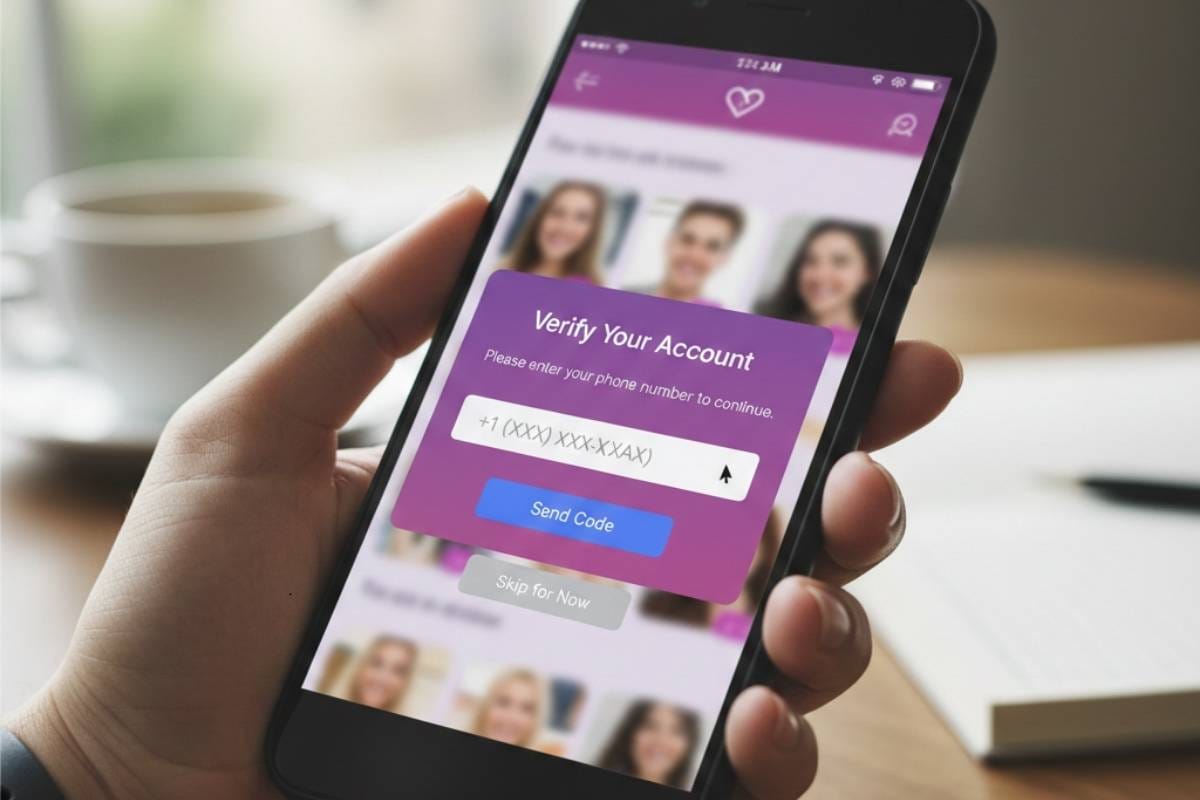
Some apps ask for photo verification. Some use video selfies. A few go further with ID checks or manual reviews.
Verification does not stop every fake profile, but it does raise the barrier.
Apps that make users prove they are real usually feel cleaner over time.
Second, moderation and reporting.
Every app says you can report fake profiles. What matters is what happens after that.
Apps that act quickly and remove accounts tend to build better communities. Apps that ignore reports usually end up feeling spammy.
Third, friction. This matters more than people think.
Apps that slow things down with longer sign-ups, profile prompts, or limited daily matches make it harder for bots and scammers to operate at scale.
Free and fast is great for growth, but it also attracts abuse.
Fourth, profile quality.
Apps that push users to add details, answer questions, or show personality tend to have fewer throwaway accounts. Fake profiles usually avoid effort. Real people do not.
Finally, consistent user feedback.
We paid attention to what keeps coming up in Reddit threads, Quora answers, and forum discussions.
No app is perfect, but patterns show up over time. Some apps are repeatedly mentioned as feeling more real. Others are constantly called out for bots and scams.
That is the lens used for this guide.
Not popularity. Not downloads. Just how well an app does at making it easier to talk to real people.
The Best Dating Apps With the Least Fake Profiles
1. Hinge
Hinge comes up a lot when people talk about fewer fake profiles, especially on Reddit.
Not because it is perfect, but because it makes fake accounts harder to maintain.
Profiles on Hinge take more effort. You cannot just upload one photo and start swiping.
Prompts, answers, and visible interaction all matter. That alone filters out a lot of low-effort fake accounts and bots.
Hinge also offers photo verification, which helps, even though it does not catch everything.
More importantly, fake profiles on Hinge tend to get reported faster because conversations feel more personal. When something is off, it stands out quickly.
That said, fake profiles still exist here.
Some slip through, and some are removed only after reports. But compared to fast swipe apps, Hinge generally feels more grounded and more real.
Best for: people who want real conversations and are tired of obvious bots and empty profiles.
Also Read: 12 Dating Apps That Don’t Require Phone Number
2. Bumble
Bumble has been pushing the safety and verification angle for a long time, and that does show up in day-to-day use.
Photo verification is easy to spot, and many users actively look for that badge before matching.
One thing that helps Bumble is behavior.
Since conversations work a bit differently here, fake profiles tend to stand out faster.
Generic openers, copy-paste messages, or strange replies usually get reported quickly.
Bumble is still a large app, so fake profiles do exist.
You will run into them occasionally, especially in busy metro areas.
But compared to apps that prioritize speed and volume, Bumble feels more controlled and more aware of the problem.
The reporting tools are also straightforward, which matters. When users feel like reporting actually leads to action, they do it more often.
Best for: people who want a mainstream app that still puts effort into verification and moderation.
3. Facebook Dating
Facebook Dating feels different from most dating apps, mainly because it is tied to real Facebook accounts.
That alone removes a big chunk of low-effort fake profiles.
Creating a fake presence here takes more work, and scammers usually prefer easier targets.
Another thing that helps is that Facebook Dating does not push aggressive upsells or artificial matches.
Because of that, many users feel the people they see are more likely to be real, even if the matching itself can feel a bit hit or miss.
Fake profiles still exist, but they tend to be less obvious bots and more actual people behaving badly.
In a way, that says something. The app does a decent job filtering out automated junk.
The downside is activity.
In some areas, the user base can feel quiet. In others, it works surprisingly well.
It really depends on the location.
Best for: people who want real profiles tied to real identities and do not care about flashy features.
Also Read: 11 Best Non-Swipe Dating Apps That Actually Work
4. Match
Match has been around for a long time, and it shows in how the platform is set up.
This is not an app built for fast swiping or quick sign-ups.
That slower pace works in its favor when it comes to fake profiles.
Most serious activity on Match happens behind a paywall. That alone cuts down a lot of bots and scammers.
Fake accounts usually avoid apps where staying active costs money and takes effort.
Profiles on Match also tend to be more detailed.
People write more. They share more context.
That makes it easier to spot when something feels off, and those accounts usually do not last long.
The downside is obvious. Match is not for everyone.
If you are looking for something casual or fast, it can feel heavy.
But if your main goal is avoiding fake profiles, the structure helps.
Best for: people who are serious about dating and want fewer bots, even if it means paying.
5. eHarmony
eHarmony is one of those apps where fake profiles struggle to survive, mostly because the setup process is long and a bit exhausting.
You cannot rush through it. You answer a lot of questions, and that alone scares off bots and low-effort accounts.
The app focuses heavily on compatibility and long-term matching. That attracts a very specific type of user.
People who are willing to spend time filling out profiles are usually real, and they usually have clear intentions.
Because of that, fake profiles do exist, but they are far less common compared to swipe-heavy apps.
When something feels off on eHarmony, it stands out quickly because most profiles are detailed and consistent.
The trade-off is speed.
This is not an app you open casually.
It requires patience, and the interface can feel dated to some users.
But from a fake-profile standpoint, the friction works.
Best for: people looking for serious relationships who want an environment where fake profiles are less common.
Also Read: 12 Free Dating Apps That Surprised Me
6. OkCupid
OkCupid sits somewhere between swipe apps and serious dating platforms.
What helps here is depth.
Profiles are built around questions, preferences, and values, not just photos. Fake profiles usually avoid that kind of effort.
Because users answer so many questions, conversations tend to feel more grounded.
When a profile barely answers anything or gives vague replies, it becomes obvious pretty quickly.
Those accounts usually get filtered out by users themselves.
OkCupid also has reporting and moderation tools, though experiences can vary depending on location.
Some areas feel cleaner than others.
Still, compared to apps where profiles are almost empty, OkCupid makes it harder for fake accounts to blend in.
It is not perfect, and bots do show up from time to time.
But overall, the structure encourages real people to stay and fake ones to drop off.
Best for: people who care about compatibility and want more context before starting a conversation.
7. Coffee Meets Bagel
Coffee Meets Bagel works at a slower pace, and that alone cuts down a lot of fake profiles.
You do not get endless matches. You get a limited number each day.
Bots and scammers usually want volume, and this app does not give them that.
Profiles here tend to feel more intentional. People usually fill them out properly, and conversations start with a bit more context.
When a profile looks empty or generic, it stands out quickly.
The app also puts effort into moderation and reporting, even if it does not advertise it loudly.
Fake profiles do appear sometimes, but they rarely stick around for long because the community is smaller and more engaged.
The downside is reach.
If you live in a smaller city, the match pool can feel limited.
But from a fake-profile perspective, the trade-off is often worth it.
Best for: people who prefer quality over quantity and want fewer obvious bots.
8. The League
The League reduces fake profiles mostly by making it hard to get in.
Accounts go through a review process, and in many cases there is a waitlist.
That alone removes a lot of bots and throwaway profiles.
Because entry is limited, scammers usually do not bother.
It takes time, effort, and sometimes money to stay active here, which makes it a bad environment for fake accounts.
Profiles on The League also tend to be more complete and consistent.
When something feels off, it stands out quickly because most users put real effort into how they present themselves.
The obvious downside is accessibility.
Not everyone gets approved quickly, and some people find the vibe too curated or restrictive.
But when the goal is avoiding fake profiles, the barrier helps.
Best for: people who want a more controlled environment and are okay with a slower, selective process.
Also Read: 11 Best Dating Apps for Professionals That Aren’t a Waste of Time
9. Raya
Raya is one of the few dating apps where fake profiles are genuinely rare.
That is mostly because of how strict the entry process is.
You need an application, referrals, and approval before you can even use the app.
That level of screening makes it unattractive for bots and scammers.
Fake profiles do not scale well when humans are manually reviewing who gets access.
Most accounts here belong to real people with established online footprints.
Because the community is small and curated, suspicious behavior stands out fast.
Accounts that do not belong usually do not last long.
The downside is obvious. Raya is not accessible to most people.
Many applications are rejected, and even approved users may find the pool limited depending on location.
Best for: people who can get in and want one of the lowest chances of running into fake profiles.
10. Hily
Hily puts a lot of emphasis on detection and verification, and that is the main reason it earns a spot here.
The app uses photo verification and behavior-based systems to flag accounts that act like bots or scammers.
In real use, that means obvious fake profiles usually do not last long.
Generic messages, strange activity patterns, or copy-paste behavior tend to get caught faster than on older swipe apps.
That said, Hily is still growing.
The user base is not as large or as consistent everywhere in the U.S., so experiences can vary by location.
You might see very different results depending on where you live.
It is not perfect, but the intent is clear.
Hily is actively trying to reduce fake profiles rather than ignoring the problem.
Best for: people who want a newer app that is focused on detection and moderation from the start.
11. Badoo
Badoo is a large platform, and with size comes noise.
Fake profiles do exist here, especially in busy areas.
But what keeps Badoo relevant for this topic is the effort it puts into verification and detection.
The app uses selfie verification and behavior monitoring to flag suspicious accounts.
Profiles that fail checks or get reported tend to disappear faster than on many older swipe apps.
Because the user base is so big, you still need to be careful.
Filtering and verification badges matter a lot here.
When you use those tools properly, the experience improves.
Badoo is not the cleanest app on this list, but it earns its place because it actively fights fake profiles instead of ignoring them.
Best for: people in larger cities who want a big pool but still want access to verification tools.
Are Paid Dating Apps Actually Safer Than Free Ones?
Paid dating apps are not automatically safer, but they usually have fewer fake profiles.
The reason is simple. Fake accounts do not like friction, and they really do not like paying.
When an app charges money to message, match, or stay visible, it becomes expensive to run fake profiles at scale.
Scammers and bots usually move on to easier platforms where they can create dozens of accounts for free.
That does not mean free apps are unsafe.
Some free apps do a decent job with verification and moderation. But they also attract more abuse because the barrier to entry is low.
The safest pattern tends to be mixed.
Apps that are free to join but limit serious actions behind verification or payment often strike a better balance.
Real users stick around. Fake profiles drop off faster.
So no, paying does not guarantee a fake-free experience.
But in general, apps that cost something tend to feel cleaner because fewer bad actors are willing to stick around.
How to Spot Fake Dating Profiles Quickly
Fake profiles usually give themselves away through behavior, not photos.
Photos can be stolen. Messages are harder to fake for long.
One common sign is vague conversation.
Replies that do not really answer what you asked or feel slightly off are often copy-pasted. Bots and scammers avoid specifics.
Another red flag is moving too fast.
If someone pushes you to switch apps, share personal info, or talk about money early, that is rarely a good sign. Real people usually take their time.
Profile effort also matters.
Accounts with very little information, no prompts, or overly perfect photos tend to be riskier.
Most real users leave some messiness behind.
When something feels wrong, trust that feeling. Report the account and move on.
Fake profiles rely on hesitation. Using reporting tools helps apps clean things up faster.
Final Take — Which Dating Apps Feel the Most Real?
No dating app is perfect.
Fake profiles exist everywhere, and anyone promising otherwise is not being honest.
What actually matters is how much effort an app puts into reducing them and how quickly it reacts when something feels off.
Apps that slow things down tend to feel more real.
Longer profiles, verification steps, reporting that actually leads to action, and even paywalls all help.
Not because they magically remove fake profiles, but because they make it harder for them to survive.
If you are tired of bots and scammy conversations, your best bet is to pick an app that adds friction and rewards effort.
Look for verification badges. Pay attention to how people talk. Use the reporting tools when something feels wrong.
The goal is not to find a fake-free app. The goal is to spend less time wasting energy on accounts that were never real in the first place.
That is what these apps do better than most.
FAQs
Do dating apps really remove fake profiles?
Yes, most dating apps remove fake profiles, but usually after they are reported or flagged by automated systems. Very few fake accounts are caught instantly. Apps with active moderation and verification tend to remove them faster.
Which dating apps have the fewest fake profiles?
Apps with stronger verification, longer sign-up processes, or paywalls usually have fewer fake profiles. They are harder for bots and scammers to maintain over time, even though no app is completely fake-free.
Is photo verification enough to stop fake profiles?
Photo verification helps, but it is not enough on its own. Some fake profiles still pass basic checks. Apps that combine verification with moderation and reporting work better in practice.
Are verified profiles always real?
Not always. Verification reduces risk, but it does not guarantee authenticity. Behavior still matters. Inconsistent replies, rushed conversations, or pressure to move off the app are common warning signs.
Are paid dating apps safer than free ones?
Paid apps are usually safer because fake accounts avoid platforms that cost money. That said, some free apps with strong moderation and verification can still be relatively safe if used carefully.
How common are dating app scams in the U.S.?
Dating app scams are common enough to be a real concern, especially on large, free platforms. Using apps that actively remove fake profiles and reporting suspicious behavior early helps reduce risk.